![PalmaVita White and Gold[1]](https://drjoshredd.com/wp-content/uploads/2025/11/PalmaVita-White_and_Gold1.svg)


CONCERNS ABOUT MICROPLASTICS AND OUR HEALTH
By Dr. Josh Redd, Chiropractic Physician, RedRiver Health and Wellness Center
 A recent study found microplastics in 75% of breastmilk.
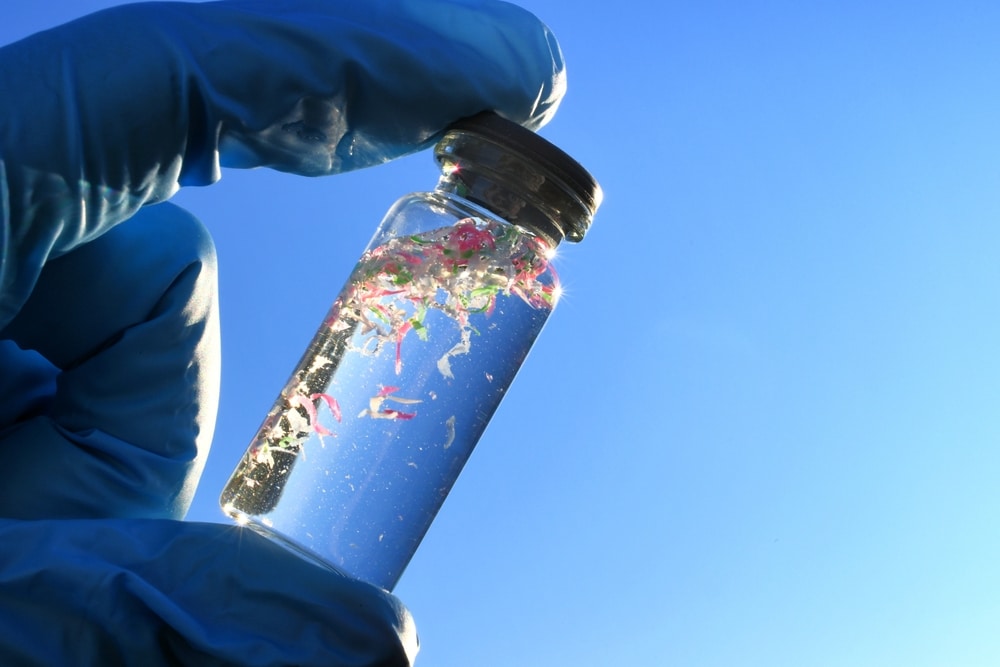
Microplastics are small pieces of plastic debris, typically less than 5mm (0.2 inch) in diameter. They come from the breakdown of larger plastic items, synthetic clothing fibers, and personal care products such as exfoliants with microbeads.
Microplastics have been found in *all* marine environments, from the surface to the seafloor, and in both freshwater and saltwater. They are also found in soil and can be inhaled or ingested by animals and humans.
As such, they are considered environmental pollution and studies suggest they are toxic to animals and humans. They accumulate in the tissues of animals, and enter the food web, where they are ingested by humans. Additionally, they can act as carriers of pathogenic bacteria and other microorganisms, leading to potential waterborne diseases.
Although we can’t totally escape microplastics or plastics in general, we can make changes to minimize the use of plastic as much as possible. Use glass, stainless steel, or ceramic instead of plastic for your food and drink, filter your air and water, choose organic foods and wild-caught seafood as much as possible, and go for non-toxic home and body products. The more you can reduce the burden of overall toxicity on your body, the less it has to struggle.
Look for my free guide, the Inflammatory Reset Diet, as well as other free guides on my site.
To learn more about our services and to schedule a free consultation, please visit redriverhealthandwellness.com. We work with your prescribing physician for optimal results. Do not discontinue medication or hormone replacement therapy without consulting your prescribing physician.
Related Articles

Low Ferritin Symptoms: What a Normal Blood Count Can Miss in Women With Thyroid Problems
She was 41 and had been on thyroid medication for six years. Her TSH was…
[ READ MORE ]

It’s Not Just Perimenopause
Perimenopause doesn’t just cause fatigue, weight gain, or stubborn weight loss resistance. Instead, it removes…
[ READ MORE ]

The Hashimoto’s – COVID Connection
The COVID-19 spike protein has been linked to several autoimmune conditions, including Hashimoto’s low thyroid.…
[ READ MORE ]